Photography: The Art, Skill, and Story Behind Every Image

Photography is more than pressing a shutter button. It is a blend of artistic vision, technical skill, and storytelling, allowing moments to be preserved, emotions to be conveyed, and perspectives to be shared. From casual smartphone shots to professional studio work, photography continues to shape how we document and interpret the world.
What Is Photography?
At its core, photography is the process of capturing light to create an image. This light interacts with a camera sensor or film, forming a visual record of a scene, subject, or idea. While the technology has evolved rapidly, the purpose remains the same: to tell a story through images.
A Brief Evolution of Photography
Photography has undergone remarkable transformation over the years.
-
Early photography relied on chemical processes and film
-
The digital era introduced instant previews and editing
-
Modern photography integrates AI tools, mirrorless cameras, and mobile devices
Despite these changes, the photographer’s eye remains the most important element.
Types of Photography You Should Know
Photography branches into many styles, each with its own purpose and techniques.
Portrait Photography
Focused on people, portrait photography captures expression, personality, and mood. Lighting and posing play a crucial role in creating impactful portraits.
Landscape Photography
This style highlights nature, scenery, and wide environments. Timing, weather, and composition are essential for compelling landscape shots.
Street Photography
Street photography documents real-life moments in public spaces. It thrives on spontaneity, emotion, and storytelling.
Wildlife Photography
Patience and precision define this genre. Wildlife photographers capture animals in their natural habitats, often using long lenses and fast shutter speeds.
Product and Commercial Photography
Used for marketing and branding, this type focuses on presenting products in a clean, attractive, and persuasive way.
Essential Photography Equipment
While creativity matters more than gear, having the right tools helps improve results.
-
Camera (DSLR, mirrorless, or smartphone)
-
Lens suited to your photography style
-
Tripod for stability and long exposures
-
Lighting (natural or artificial)
-
Editing software for post-processing
High-end equipment is helpful, but strong fundamentals matter far more.
Core Photography Techniques
Mastering a few technical basics can dramatically improve image quality.
Exposure Triangle
The exposure triangle consists of:
-
Aperture – controls depth of field
-
Shutter Speed – freezes or blurs motion
-
ISO – adjusts light sensitivity
Balancing these three elements ensures proper exposure.
Composition Rules
Good composition guides the viewer’s eye.
-
Rule of thirds
-
Leading lines
-
Framing
-
Negative space
These techniques help transform ordinary scenes into engaging images.
The Role of Editing in Photography
Post-processing is not about deception; it’s about refinement. Editing allows photographers to adjust contrast, color balance, sharpness, and mood while staying true to the original scene.
Popular editing tasks include:
-
Cropping for better composition
-
Correcting exposure and white balance
-
Enhancing colors subtly
Photography as a Career and Creative Outlet
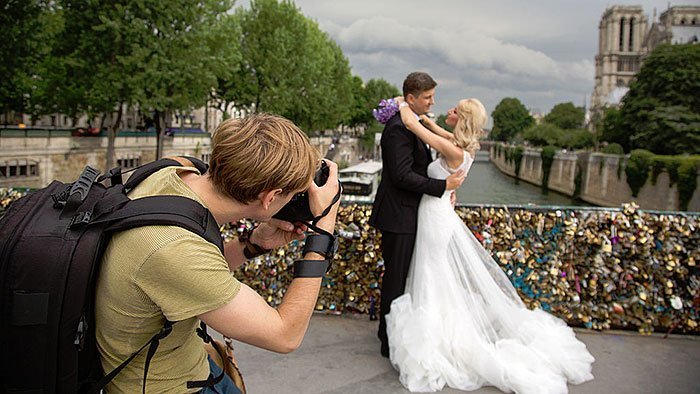
Photography can be both a profession and a passion. Many photographers work in fields such as weddings, journalism, advertising, fashion, and travel, while others pursue it purely for creative expression.
With online platforms and social media, photographers today have more opportunities than ever to share and monetize their work.
Why Photography Matters Today
Photography shapes memories, influences opinions, and preserves history. A single image can raise awareness, evoke emotion, or inspire change, making photography one of the most powerful visual languages in the modern world.
Frequently Asked Questions (FAQ)
1. What is the best camera for beginners in photography?
The best camera for beginners is one that is easy to use and fits their budget. Entry-level mirrorless cameras or even advanced smartphones are excellent starting points.
2. Do I need expensive equipment to take good photos?
No. Strong composition, lighting, and timing matter more than expensive gear. Many great photos are taken with basic equipment.
3. How long does it take to learn photography?
Learning the basics can take a few weeks, but mastering photography is an ongoing process that improves with practice and experimentation.
4. What is the difference between RAW and JPEG photos?
RAW files retain more image data and offer greater editing flexibility, while JPEG files are compressed and ready to share instantly.
5. Is photo editing considered cheating?
Editing is a standard part of photography. It enhances images but should not misrepresent reality, especially in documentary contexts.
6. Can photography be self-taught?
Yes. Many photographers are self-taught through practice, online tutorials, books, and hands-on experience.
7. How can I improve my photography skills quickly?
Practice consistently, study other photographers’ work, learn composition rules, and seek constructive feedback on your photos.