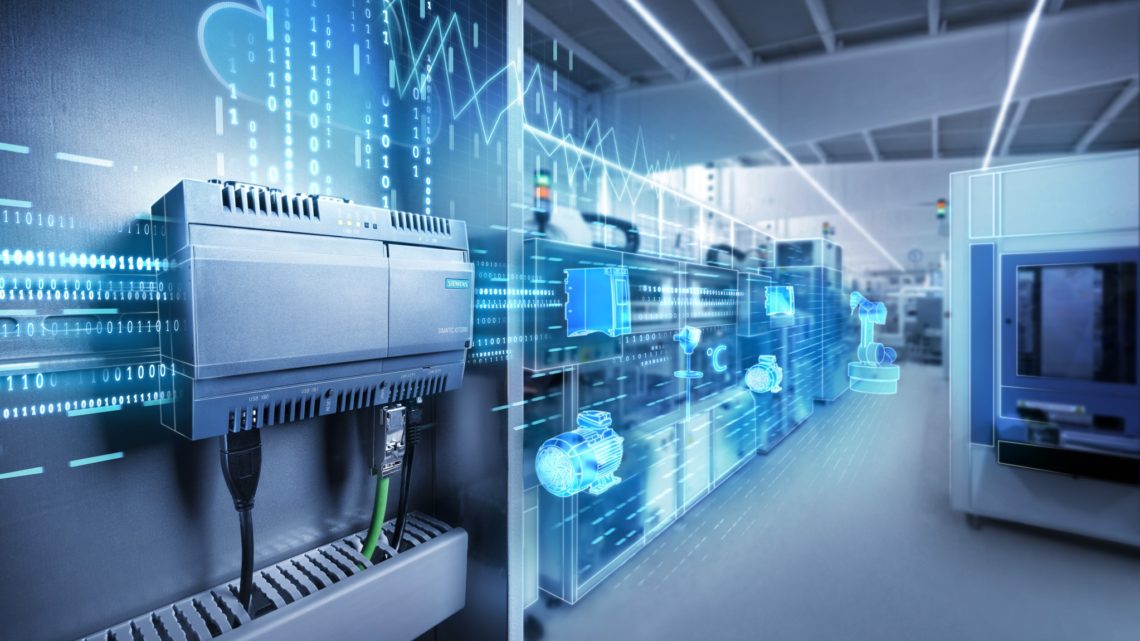
Maximizing Efficiency with Integrated Automation Systems

The industrial sector in Thailand is undergoing a significant transformation. As the nation pushes forward with its 4.0 economic model, manufacturers and producers face increasing pressure to improve productivity and reduce operational costs. A primary way to achieve these goals is through the adoption of integrated automation systems. These systems combine various automated processes and machinery into a single, cohesive network.
By connecting different stages of production, from material handling to final assembly, businesses can gain a comprehensive view of their operations. This integration is the foundation of modern manufacturing, allowing for smoother workflows and better resource management. The implementation of intelligent industrial automation solutions is becoming essential for companies that want to remain competitive in a fast-growing regional market.
These unified systems are not just about replacing manual labour with machines. They are about creating a smarter, more responsive production environment. Real-time data collection and analysis enable managers to make informed decisions quickly, addressing potential issues before they cause significant delays. For Thai businesses, this means enhanced quality control, reduced waste, and a stronger position in the global supply chain.
The Advantages of a Unified System
One of the main benefits of integrated automation is the substantial boost in operational efficiency. When robots, sensors, and software communicate seamlessly, the entire production line moves faster and with greater precision. This reduces bottlenecks that often occur when separate automated processes are not synchronised. For example, a packaging robot can adjust its speed based on the output of the assembly line, ensuring a continuous flow.
This level of coordination also leads to improved product quality. Automated systems can perform repetitive tasks with a consistency that is difficult to achieve manually. In industries such as food processing or electronics manufacturing, where standards are very high, integration ensures that every product meets the required specifications. Automated inspection systems can identify defects early, preventing faulty products from reaching the customer and protecting a brand’s reputation.
Building a Future-Ready Factory in Thailand
Adopting integrated automation is a forward-thinking strategy for local enterprises. It prepares businesses for future technological advancements and changing market demands. A well-designed system is scalable, meaning companies can add new technologies or expand production capacity without having to overhaul their entire setup.
Furthermore, these systems create new opportunities for the workforce. While some manual jobs may be automated, there is a growing demand for skilled technicians, engineers, and data analysts who can manage and optimise these advanced systems. By investing in employee training alongside new technology, Thai companies can build a sustainable and highly productive operation that drives economic growth. The path to greater efficiency lies in creating a connected and intelligent factory floor.