


Education is more than the transfer of information—it is the foundation upon which individuals build skills, values, and the ability to navigate an increasingly complex world. From early childhood learning to lifelong professional development, education shapes societies, economies, and personal growth. In today’s fast-evolving environment, its role has expanded beyond textbooks to include critical thinking, adaptability, and digital literacy.
The Purpose of Education in Society
At its core, education serves multiple interconnected purposes. It equips individuals with knowledge while also fostering social cohesion and economic stability.
Key Roles of Education
Education contributes to society by:
-
Developing essential skills such as literacy, numeracy, and communication
-
Encouraging critical and independent thinking
-
Promoting social values like equality, responsibility, and cooperation
-
Supporting economic growth through a skilled workforce
-
Empowering individuals to make informed life choices
When education systems function effectively, they reduce inequality and expand opportunities across generations.
Types of Education Systems
Education is not limited to one structure or method. It exists in several forms, each serving different learning needs.
Formal Education
Formal education follows a structured curriculum delivered through institutions such as schools, colleges, and universities. It usually includes:
-
Defined learning outcomes
-
Standardized assessments
-
Recognized certifications or degrees
This system provides foundational academic knowledge and professional qualifications.
Informal Education
Informal education occurs outside traditional classrooms. It includes learning through:
-
Family and community interactions
-
Reading and self-study
-
Cultural experiences and observation
Although unstructured, informal learning plays a crucial role in shaping attitudes and practical skills.
Non-Formal Education
Non-formal education lies between formal and informal systems. Examples include:
-
Vocational training programs
-
Adult education courses
-
Skill-based workshops and certifications
These programs are often flexible and targeted, addressing specific learning goals.
The Evolution of Modern Education
Education has undergone significant transformation over the last few decades, largely driven by technology and globalization.
Technology and Digital Learning
Digital tools have reshaped how knowledge is delivered and accessed. Online platforms, virtual classrooms, and educational apps enable learning beyond physical boundaries.
Benefits of technology in education include:
-
Greater access to learning resources
-
Personalized learning experiences
-
Opportunities for remote and hybrid education
-
Enhanced collaboration through digital tools
However, this shift also highlights the importance of addressing the digital divide to ensure equal access.
Student-Centered Learning Approaches
Modern education emphasizes learners’ active participation rather than passive memorization. Student-centered approaches focus on:
-
Problem-solving and project-based learning
-
Collaboration and peer discussion
-
Real-world application of concepts
This method prepares learners for dynamic workplaces and complex problem-solving.
Importance of Teachers in Education
While technology enhances learning, teachers remain central to effective education. Educators guide, mentor, and inspire students in ways no system can fully automate.
Roles of Effective Educators
Teachers contribute by:
-
Adapting lessons to diverse learning styles
-
Encouraging curiosity and motivation
-
Providing feedback and emotional support
-
Creating inclusive and safe learning environments
Continuous professional development ensures teachers remain equipped to meet evolving educational demands.
Education and Skill Development for the Future
As industries evolve, education must align with future workforce needs. Employers increasingly value skills that extend beyond academic knowledge.
Essential Skills for the 21st Century
Modern education focuses on developing:
-
Critical thinking and problem-solving
-
Creativity and innovation
-
Digital and data literacy
-
Communication and teamwork
-
Adaptability and lifelong learning habits
By integrating these skills into curricula, education systems help learners remain competitive and resilient.
Challenges Facing Education Systems
Despite its importance, education faces several global challenges that require strategic solutions.
Common Challenges
-
Unequal access to quality education
-
Outdated curricula that lag behind industry needs
-
Shortage of trained educators in some regions
-
Limited infrastructure and learning resources
-
Balancing technology use with human interaction
Addressing these issues demands collaboration among governments, institutions, communities, and private sectors.
The Role of Education in Social Equality
Education is one of the most powerful tools for reducing poverty and social inequality. When access is equitable, it enables upward mobility and empowers marginalized groups.
How Education Promotes Equality
Education helps by:
-
Expanding employment opportunities
-
Improving health awareness and outcomes
-
Encouraging civic participation
-
Breaking cycles of intergenerational poverty
Inclusive education policies ensure that no learner is left behind due to gender, income, or geographic location.
Lifelong Learning: Education Beyond the Classroom
Learning does not end with formal schooling. Lifelong learning is essential in a world where knowledge and skills rapidly become outdated.
Why Lifelong Learning Matters
-
Keeps individuals relevant in changing job markets
-
Encourages personal growth and confidence
-
Supports mental agility and adaptability
-
Enables career transitions and advancement
Continuous learning fosters a culture of curiosity and self-improvement across all ages.
Conclusion
Education remains a cornerstone of individual success and societal progress. As the world changes, education systems must adapt by embracing innovation while preserving human connection and inclusivity. By focusing on skill development, equitable access, and lifelong learning, education can continue to empower individuals and shape a sustainable, informed future.
Frequently Asked Questions (FAQs)
1. Why is education important for personal development?
Education builds knowledge, confidence, and critical thinking skills, enabling individuals to make informed decisions and pursue meaningful goals.
2. How does technology impact education today?
Technology expands access to learning resources, enables remote education, and supports personalized learning experiences.
3. What is the difference between formal and non-formal education?
Formal education follows structured curricula in institutions, while non-formal education offers flexible, skill-focused learning outside traditional systems.
4. How can education reduce social inequality?
By providing equal learning opportunities, education improves employment prospects and empowers disadvantaged communities.
5. What skills should modern education prioritize?
Critical thinking, digital literacy, communication, creativity, and adaptability are essential for today’s learners.
6. Why is lifelong learning necessary?
Lifelong learning helps individuals stay relevant in evolving job markets and supports continuous personal and professional growth.
7. How can education systems prepare students for future careers?
By aligning curricula with real-world skills, encouraging problem-solving, and integrating technology effectively into learning.
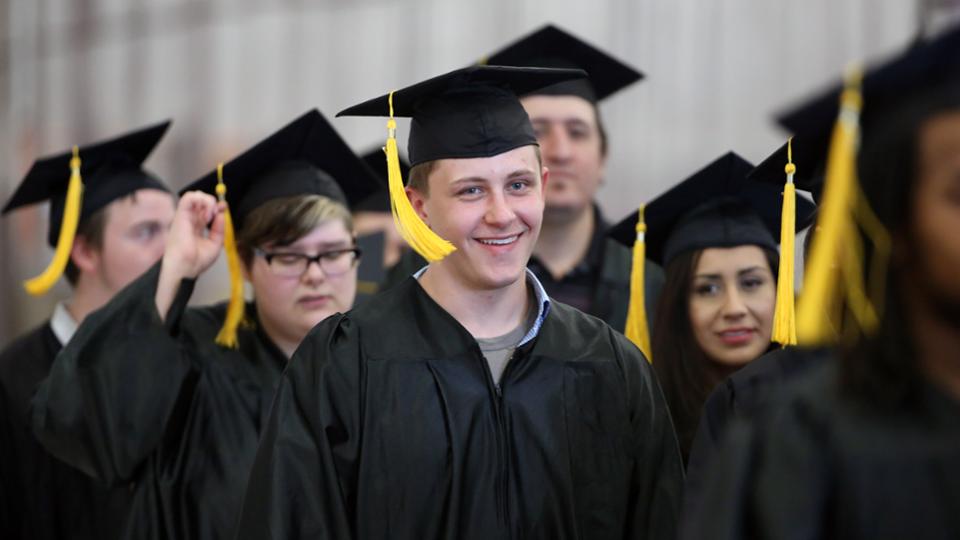
How the GED pathway leads to study in the UK and a bachelor’s degree
September 19, 2023
Reasons Why Volunteering Abroad is Awesome
September 14, 2021
Instructions to Fund Your College Education Expenses
July 26, 2019
Comments are closed.
-

24-Hour Access: Never Miss a Beat with 24 Hour Wristbands
January 5, 2024 -

What Is Metal Fabrication And How Is It Performed?
September 3, 2022 -

How Men Can Regain Control Over Intimacy for Longer Duration
September 8, 2022
Latest Posts
-

How do plinko payout curves differ from mines in crypto games?
September 17, 2026 -

Why the Right Meeting Venue Matters More Than the Agenda
April 20, 2026 -

How do Gaming bonuses and promotions work at crypto casinos?
March 21, 2026 -

-

Recent Posts
- How do plinko payout curves differ from mines in crypto games? September 17, 2026
- Why the Right Meeting Venue Matters More Than the Agenda April 20, 2026
- How do Gaming bonuses and promotions work at crypto casinos? March 21, 2026
- Why a Leather Watch Case Is the Best Gift for Him That He Will Actually Use Every Single Day? March 13, 2026
- What to Eat Before and After a BodyCombat Class in Singapore: A Practical Nutrition Playbook February 21, 2026